

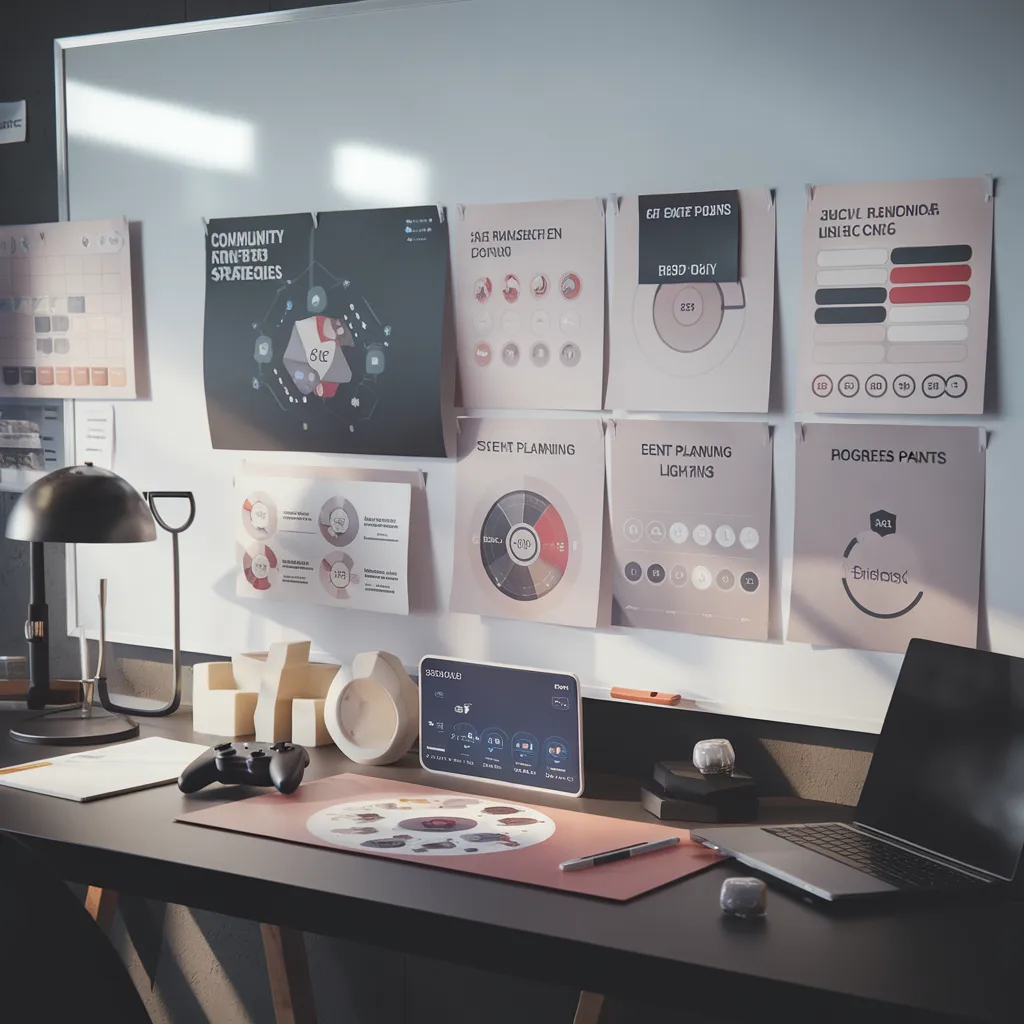
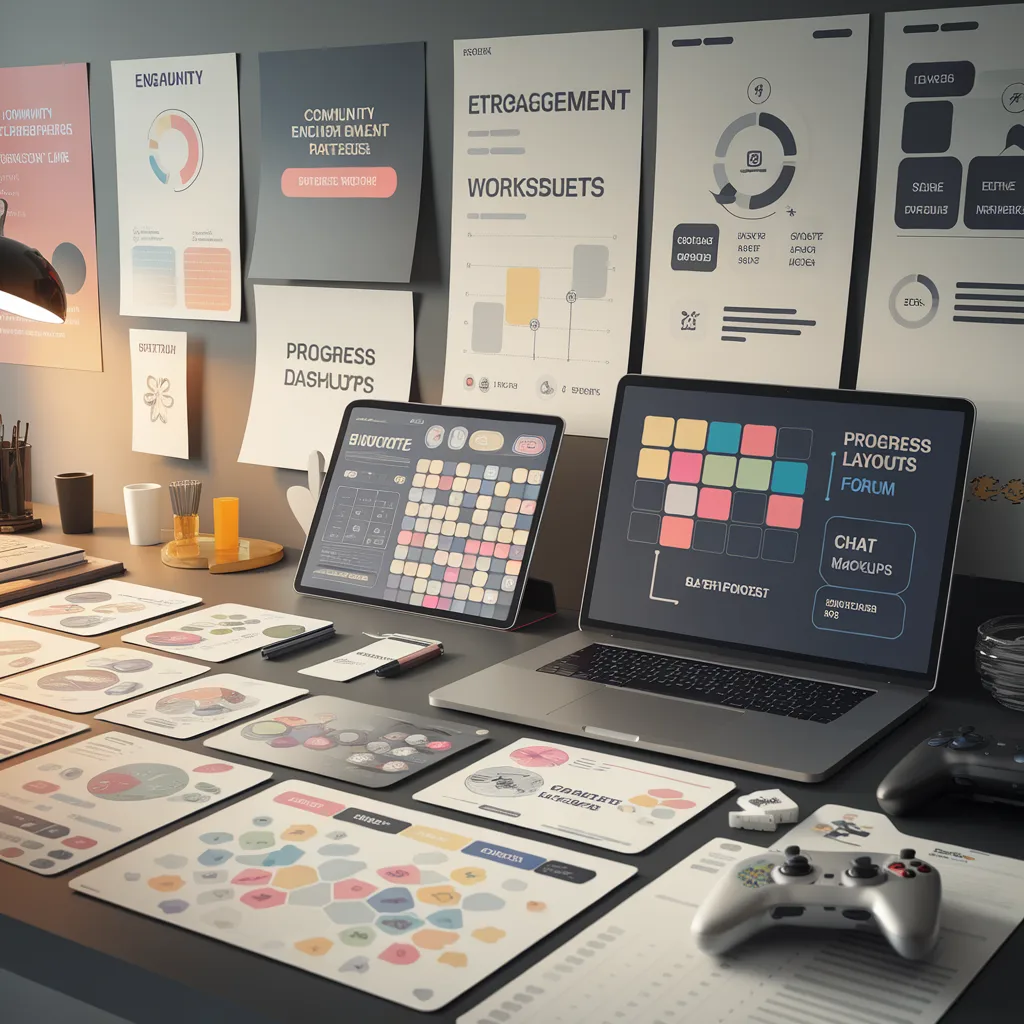
Game Community Building Playbook
How to Build the Discord, Subreddit, and Social Presence That Turns Players Into an Audience and an Audience Into a Community
A community is not a marketing channel.
This is the mistake that makes most game communities fail — treating the Discord server as a place to post announcements and the subreddit as a funnel for Steam wishlist conversions. Players can feel it immediately. The server that exists to be marketed at is the server that never generates genuine discussion, never produces the superfan who makes fan art and mods and YouTube videos about the game, never becomes the asset that sustains the game through slow sales periods and difficult development stretches.
The game community that actually works is the one where players feel they are part of something — where the developer is a person, not a brand, where feedback feels like it matters, where being an early community member carries genuine social meaning within that community.
Building that takes intentionality. This playbook provides it. 🎮
CHAPTER ONE: THE COMMUNITY STRATEGY BEFORE THE SERVER EXISTS
What Kind of Community Does This Game Need?
Different games build different communities. A narrative single-player game with rich lore builds a discussion and theory community — the kind of people who want to talk about what the ending means and share their interpretations. A multiplayer competitive game builds a skills and meta community — the kind of people who want to share clips, discuss balance, and find teammates. A survival or builder game builds a creation-sharing community — the people who want to show what they built and get recognition for it.
Getting this wrong means designing a server for the wrong activities, moderating for the wrong behaviors, and consistently frustrated that the community is not having the conversations you expected.
The playbook includes: the community type identification framework for your specific game, the content and activity design implications of each type, and the moderation approach that matches each community culture.
The Community Positioning Statement
The server is not just a place to talk about the game. The best game communities have an identity beyond the game itself: a shared sensibility, a specific humor, a particular culture that makes being a member feel meaningful. The community positioning exercise identifies what that identity is and how it is cultivated through channel structure, moderator behavior, and developer presence. 🤝
CHAPTER TWO: THE DISCORD SERVER ARCHITECTURE
The Channel Structure That Scales
The channels that every game community needs and the channels that seem necessary but create noise without value. The tiered channel approach: the channels visible to everyone (the entry experience), the channels unlocked after engagement (the community that rewards participation), and the channels for different player levels or roles (the segmentation that keeps the server relevant to players at every stage of the game).
The specific channel recommendations:
Welcome and onboarding: Rules, introductions, FAQ, and the role selection system that lets members identify themselves and unlock relevant channels immediately.
Game discussion: The main discussion channel, the spoiler-protected story/lore channel (with the spoiler role gate), the help and questions channel (kept separate from discussion so unanswered questions are visible), and the bug reports channel with the template that produces usable bug reports.
Community creation: Screenshots, fan art, videos, mods — the channels that give the community’s creative output a home and give the developer social content without additional production cost.
Developer communication: Announcements, devlogs, roadmap updates, patch notes — the channels where official communication lives, separated from discussion so nothing gets buried.
Meta and off-topic: The spaces that make the community feel human rather than purely game-focused. The off-topic channel, the bot commands channel, the community feedback channel.
The Bot Configuration Guide
The bot setup that automates the mechanical work of community management without making the server feel like a machine: the welcome bot configuration (the onboarding message that sets tone and expectations), the role assignment bot for self-serve role selection, the moderation bot thresholds (what triggers an automatic action versus a flag for moderator review), and the activity bot for engagement tracking. ⚙️
CHAPTER THREE: DEVELOPER PRESENCE AND COMMUNITY CULTURE
The Developer Voice Guide
How the developer shows up in the community is the single biggest determinant of community culture. The guide covers: the posting cadence that maintains presence without making it feel like a managed PR operation, the questions to ask that generate genuine discussion (not “what do you think?” but the specific prompts that produce the discussions worth having), the feedback response approach that makes players feel heard even when the answer is “that’s not something we’re planning,” and the personal presence — the human behind the game — that the community connects with.
The Community Event Calendar
The regular events that give the community a rhythm: the screenshot contest (the weekly or monthly event that generates user content and rewards community participation), the dev Q&A (the structured session where the developer answers community questions — the format that is manageable for a solo developer or small team), the community game night for multiplayer games, the lore discussion prompt for narrative games, and the milestone celebration events that mark the game’s development progress with the community. 📅
The Superfan Identification and Nurturing System
The players who become community pillars — the members who answer questions before the moderator can, who create content without being asked, who represent the game positively in other communities — are the community’s most valuable asset. They need to be identified, recognized, and given the tools to do what they want to do.
The system covers: the engagement indicators that identify emerging superfans, the recognition system (the role, the Discord flair, the access that signals their status), the content collaboration approach (the developer giving superfans early access or exclusive information in exchange for community content), and the community moderator pipeline (the superfan-to-moderator path that keeps the moderation team aligned with the community culture). 🌟
CHAPTER FOUR: THE REDDIT AND SOCIAL PRESENCE
The Subreddit Strategy
Whether to create a dedicated subreddit or participate in genre subreddits — the decision framework and the approach for each. The cross-posting strategy for content that belongs on both Discord and Reddit. The subreddit rules that keep the space useful without being restrictive. The developer flair and the AMA approach for new game milestones.
The Twitter/X, TikTok, and Instagram Presence
The platform-specific content format guide: what works on each platform for indie game content, the posting frequency that maintains presence without burning out the person running the accounts, and the cross-platform repurposing workflow that produces content for three platforms from one piece of source material.
The Content Creator Community
The strategy for turning content creators who cover the game into community members rather than just distribution channels: the creator Discord role, the early access to updates, the credit and recognition approach, and the relationship maintenance between content releases. 🎬
📂 COMPLETE FILE LIST
📖 Complete playbook PDF | 🏗️ Discord server architecture template — channel list, descriptions, and permission structure (editable) | 📅 Community event calendar template (editable, Excel + Google Sheets) | 💌 Community welcome message and onboarding sequence templates (editable) | 📋 Moderator guidelines and escalation framework (editable) | 🌟 Superfan recognition system template (editable) | 📣 Cross-platform content repurposing workflow guide (PDF)
Reviews
There are no reviews yet.